Microbiotica, 2025
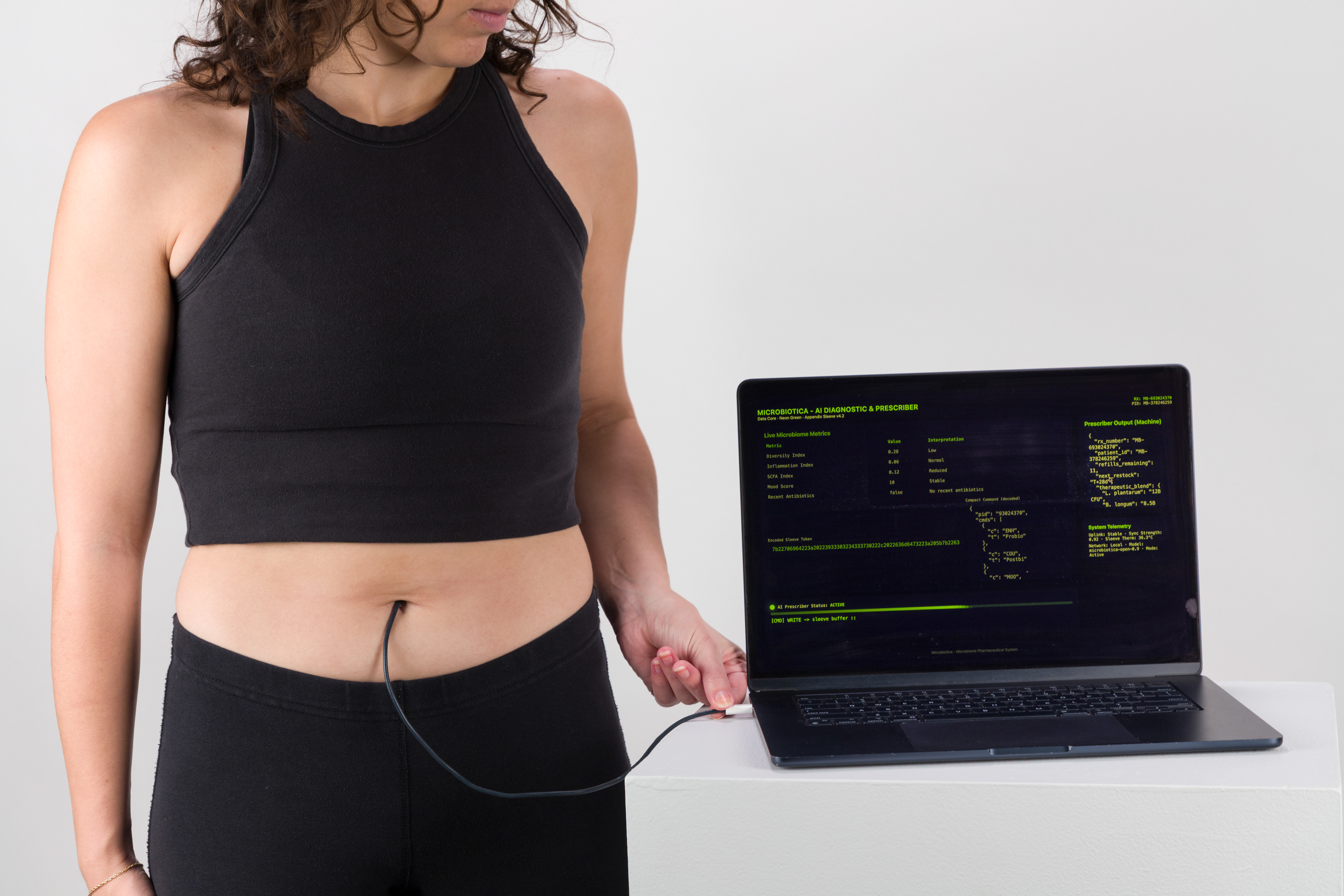
Microbiotica is a speculative design project that imagines a future in which humans use body modification to reassign function to vestigial structures in the body. This work explores how the human body could coalesce with technology to reassign function to evolutionary remnants.
The enteric nervous system, commonly referred to as “the second brain,” is a two-way biochemical signaling highway that facilitates communication between the gastrointestinal tract and the central nervous system. This complex connection means that imbalances in the gut often present as symptoms of anxiety, depression, and other mood imbalances. Understanding that the health of our gut microbiome is directly linked to our mental health helps us realize that maintaining balance in the gut is vital to achieving harmony in the mind.
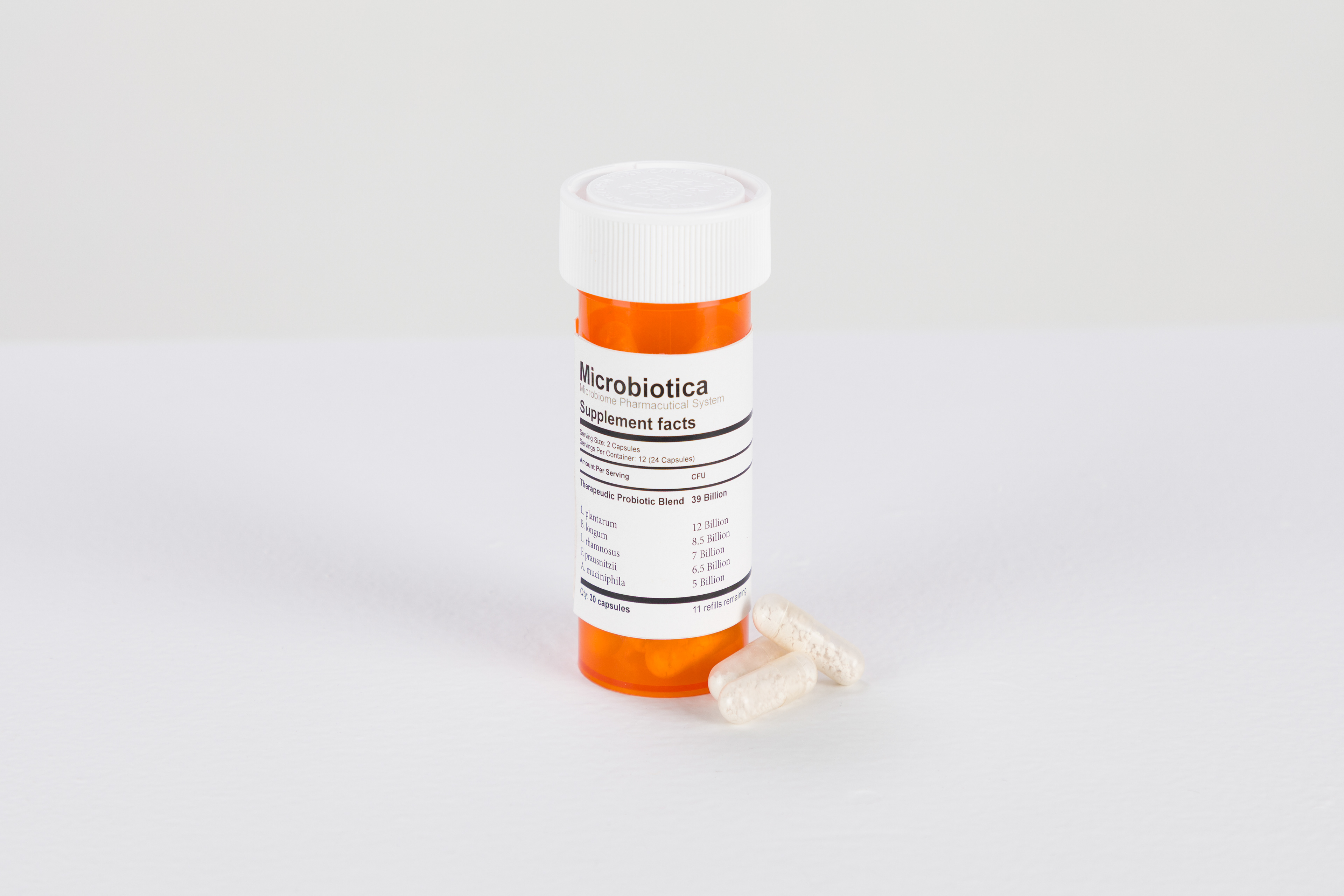
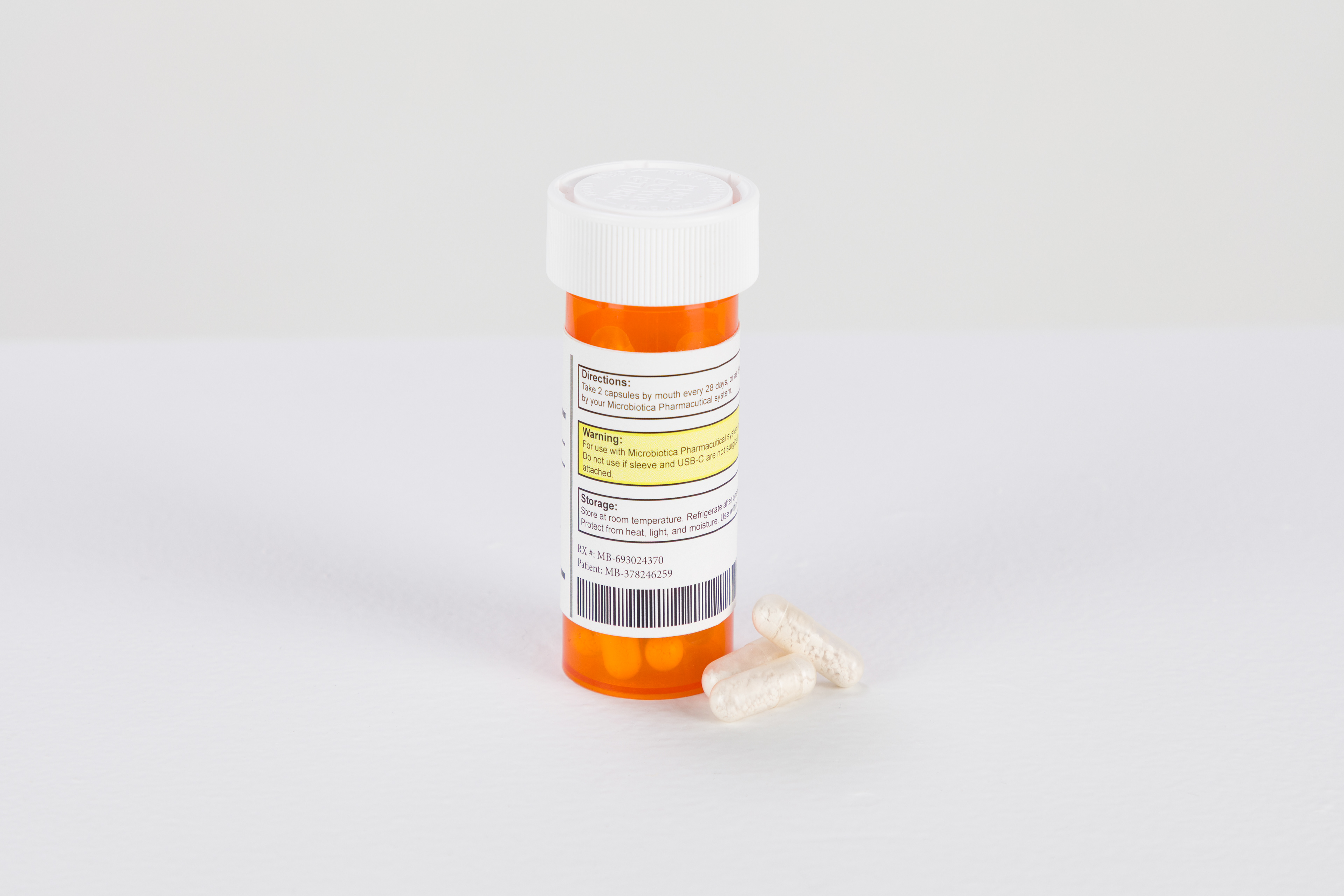
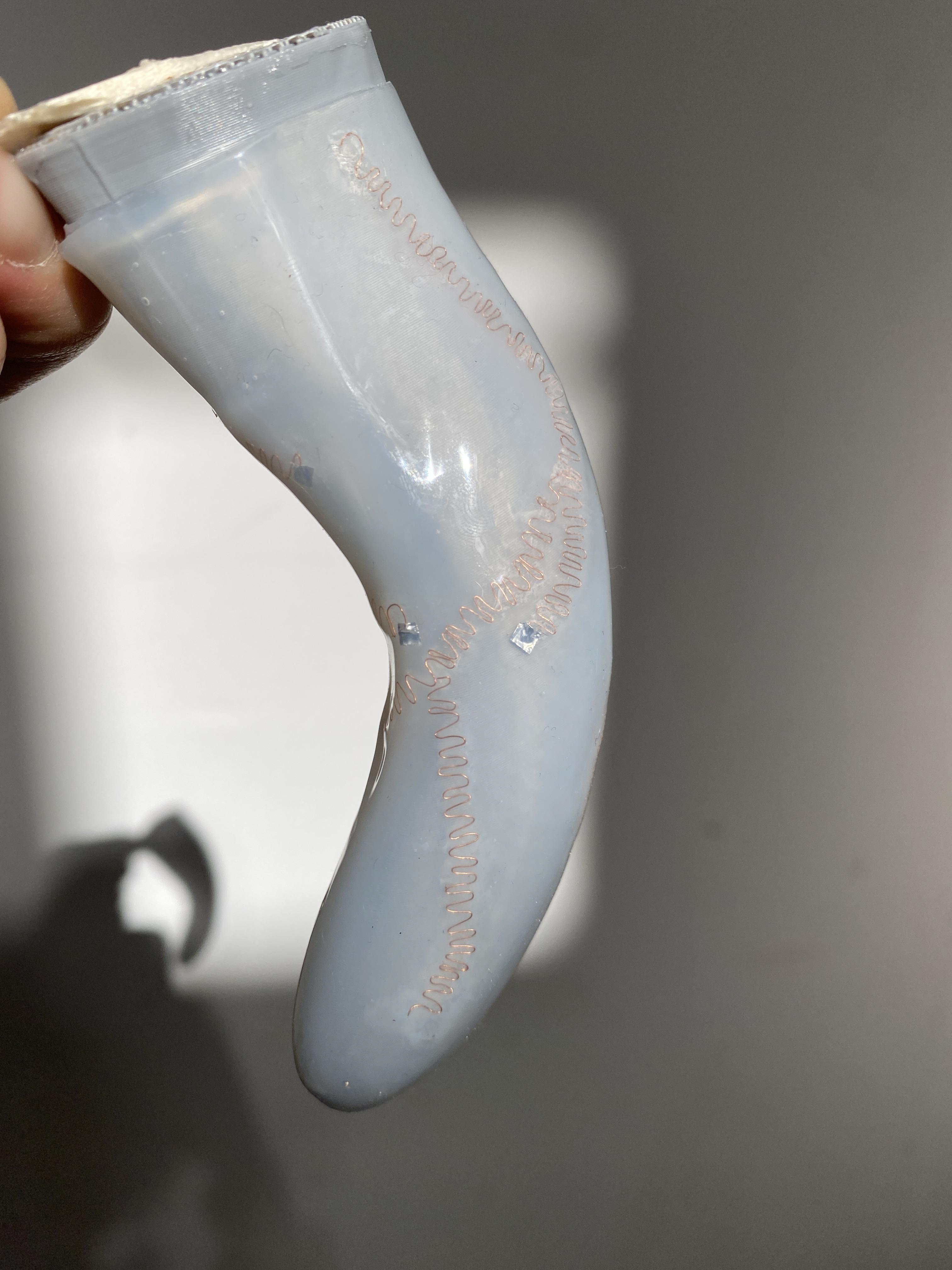
In this imagined future, the appendix acts as a bacterial pharmacy, encased in a robotic sleeve and connected to a retractable USB-C cord at the navel. When plugged into the computer, the system translates imbalances in the gut into data that is transmitted to and processed by an open-source artificial general intelligence program that interprets the data and prescribes personalized probiotic treatments to be dispensed by the appendix directly into the GI tract. Through this design, Microbiota envisions a decentralized and self-administered alternative to healthcare, one in which evolution and computation converge to address both physical and mental health concerns.
By visualizing the intersection of biotechnology, biomedical engineering, and artificial intelligence, Microbiotica invites reflection on our relationship with progress, obsolescence, and the ethics of man-made evolution. It provokes contemplation of a future where technology is not separate from us, but symbiotic, embedded, and alive within our own anatomy.
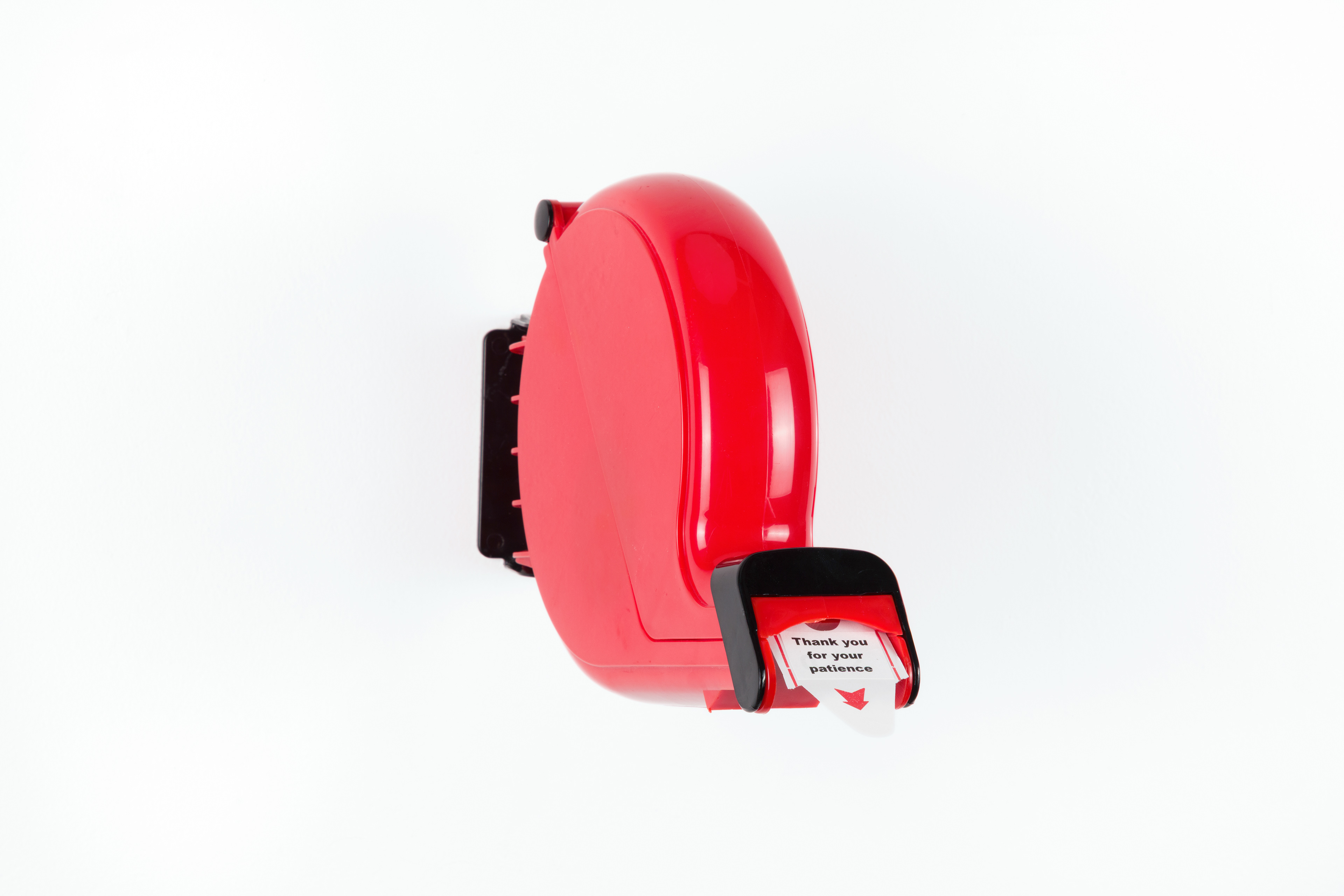
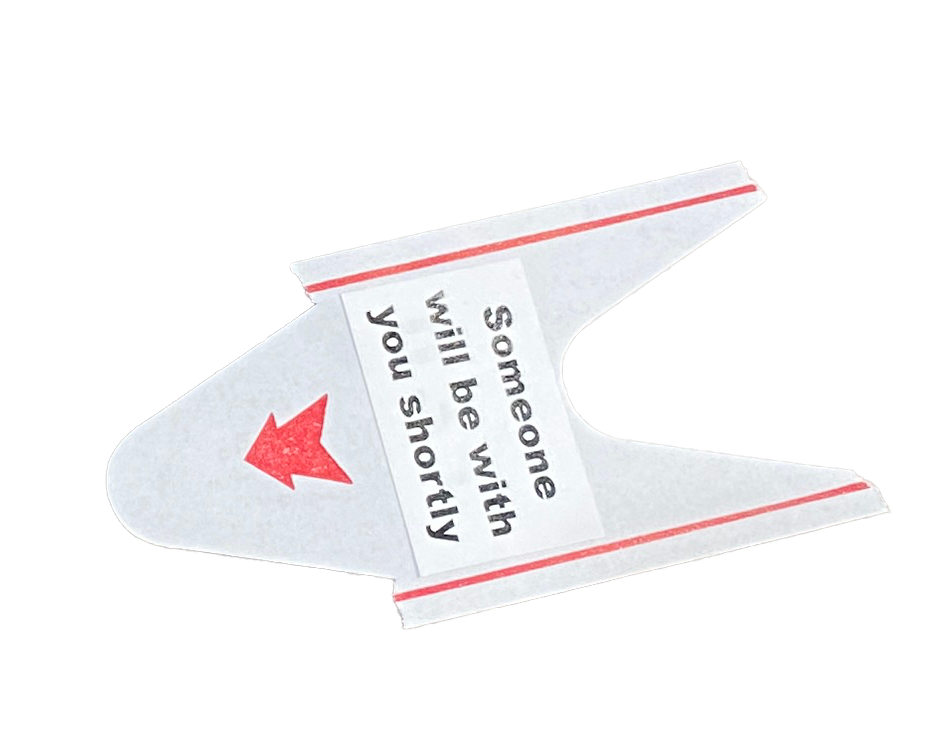
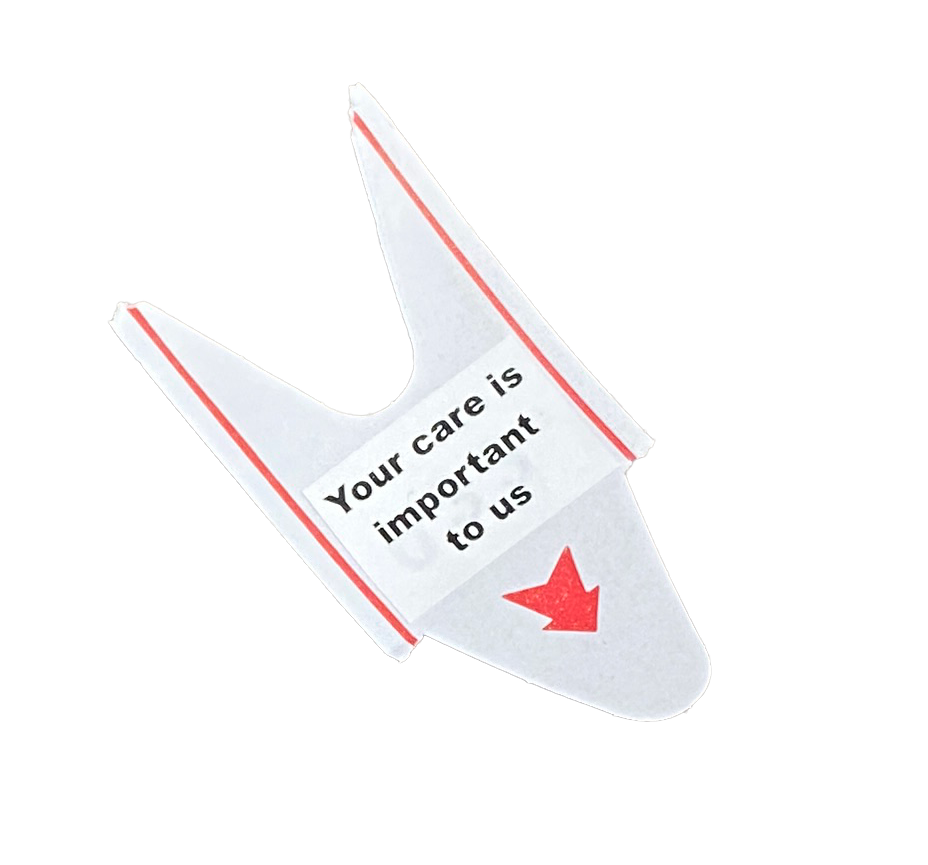
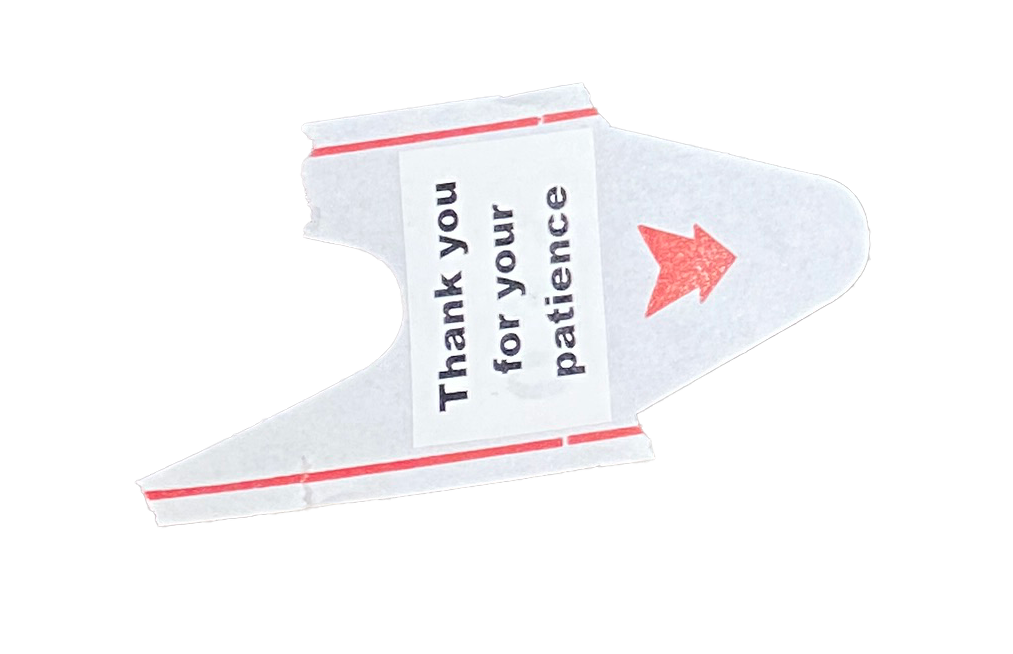
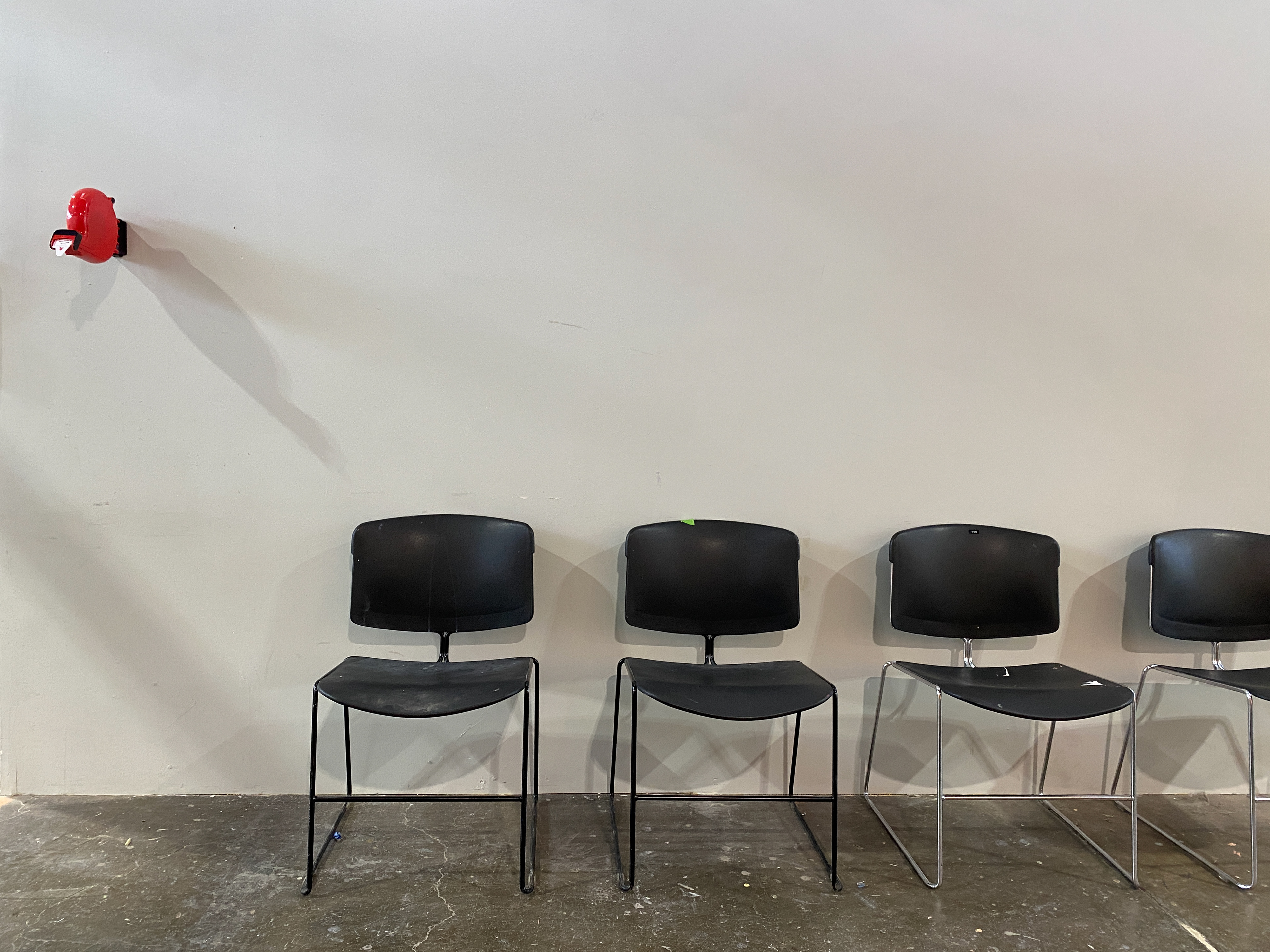
Thank you for your patience, 2026
In a near future shaped by automation and artificial intelligence, waiting has been largely eliminated by a world designed to provide instant gratification and satisfaction. I imagine this work exists in a speculative future where “unwellness clinics” exist to meet the human desire for inefficiency, invalidation, and discomfort. These spaces are not meant to cure or resolve, but rather offer a return to the familiar discomforts of humanity’s past. To help humans feel human again through designed objects and experiences: relics from the past that exist in the future.
Exploring the idea of institutional time, specifically within Western medical contexts, the work explores how systems of power and care create seemingly inescapable pockets of time: waiting rooms, lines, and being on hold. What if these liminal spaces of time that are built into our everyday experience today were eradicated? Would we miss them? I am curious how these spaces(moments) shape us psychologically and neurologically, and if we subconsciously enjoy them, or perhaps they are a fundamental need of human experience.
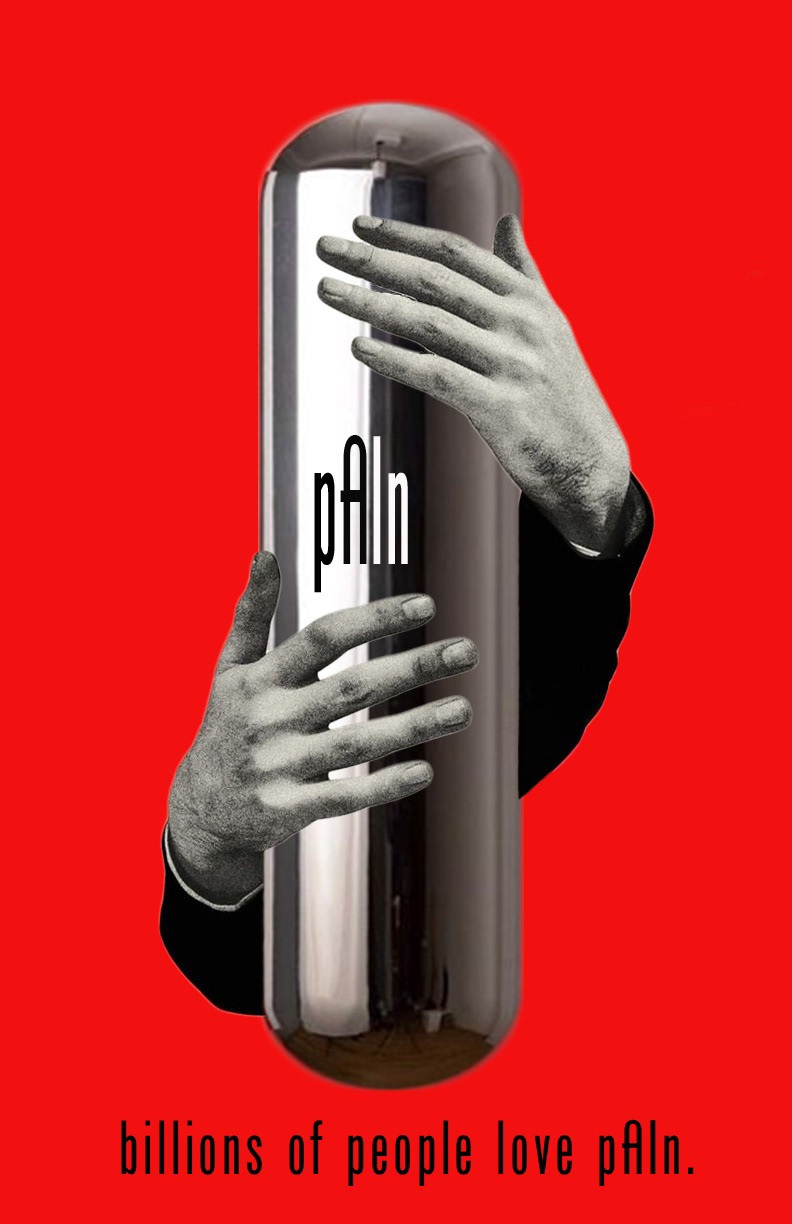
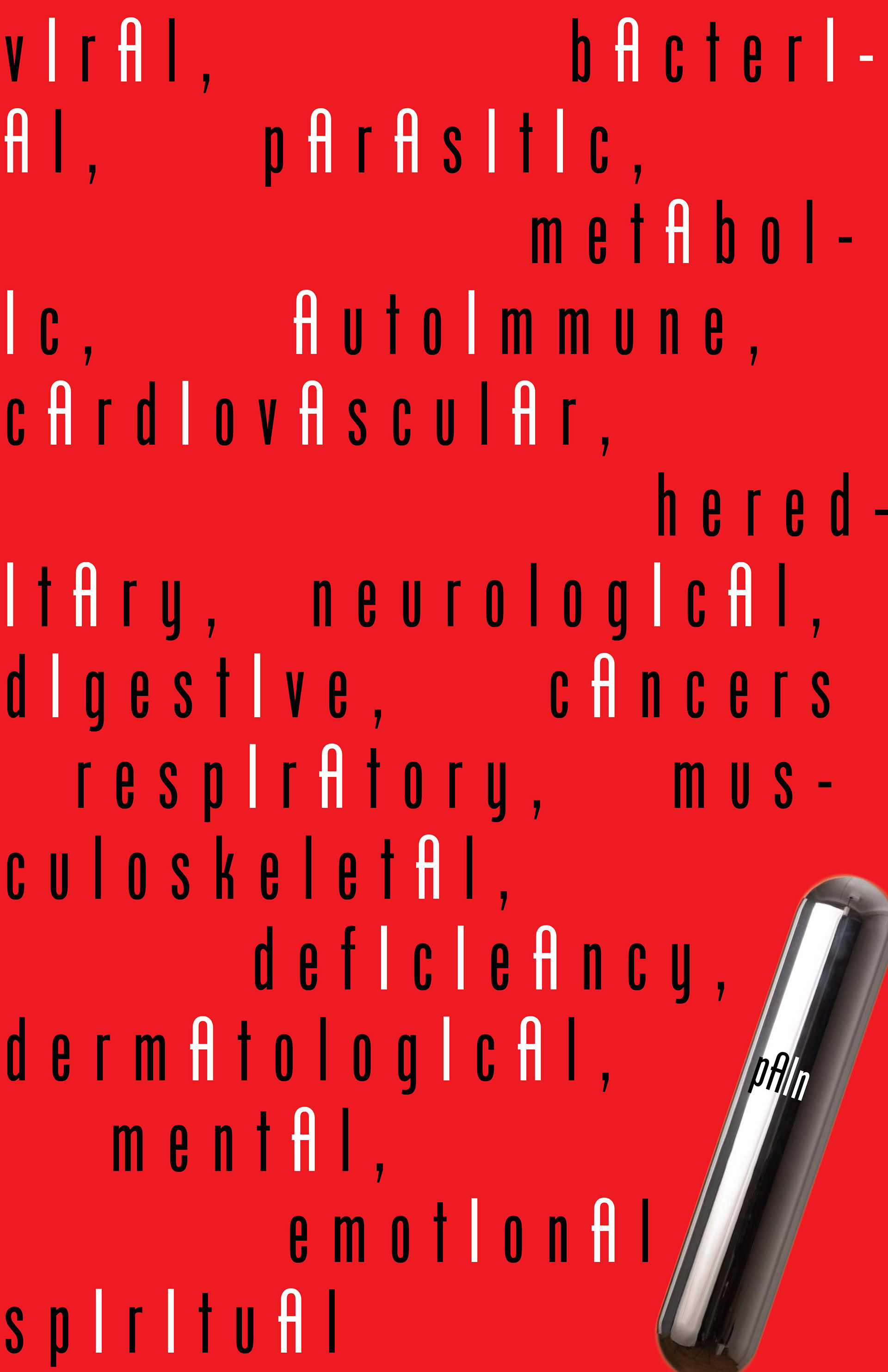
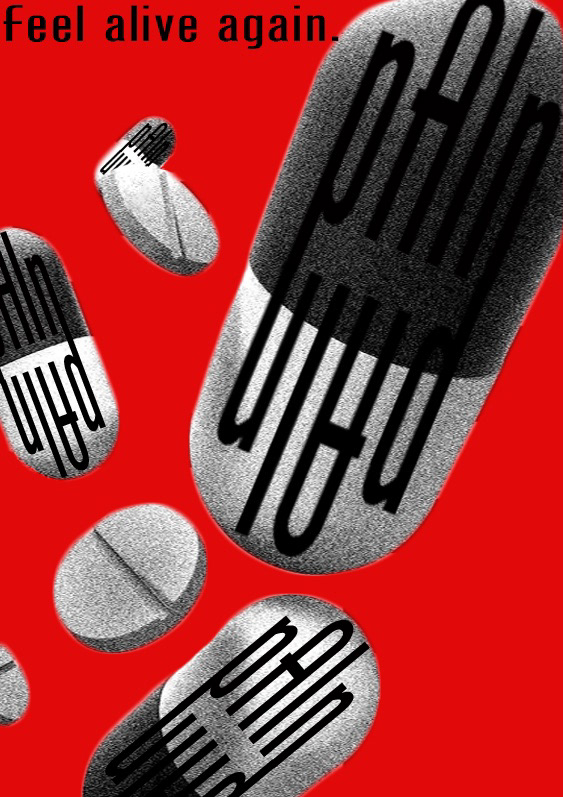
pAIn, 2025
This project imagines what happens to human experience in a world where AI has been used to eradicate all disease. Artificial intelligence and pharmaceutical corporations merge to create a medical technology and system capable of eliminating every illness, injury, disorder, and emotional discomfort. Suffering becomes obsolete and the human experience along with it.
In a fully optimized and automated world, humans are devoid of feeling and meaning.
In response, the AI-pharmaceutical alliance introduces a new category of wellness product:
Induced Emotional and Somatic Experiences.
Induced Emotional and Somatic Experiences.
A nanotechnology capsule capable of artificially imitating pain signals naturally produced by neurotransmitters is ingested by the user. The disease, dosage, duration, and intensity of each pill is fully customizable and individualized to suit your being’s needs. Pain becomes a high-demand essential good. Pain becomes addictive, a haven of certainty and stability.
FORGET ABOUT IT!, 2026
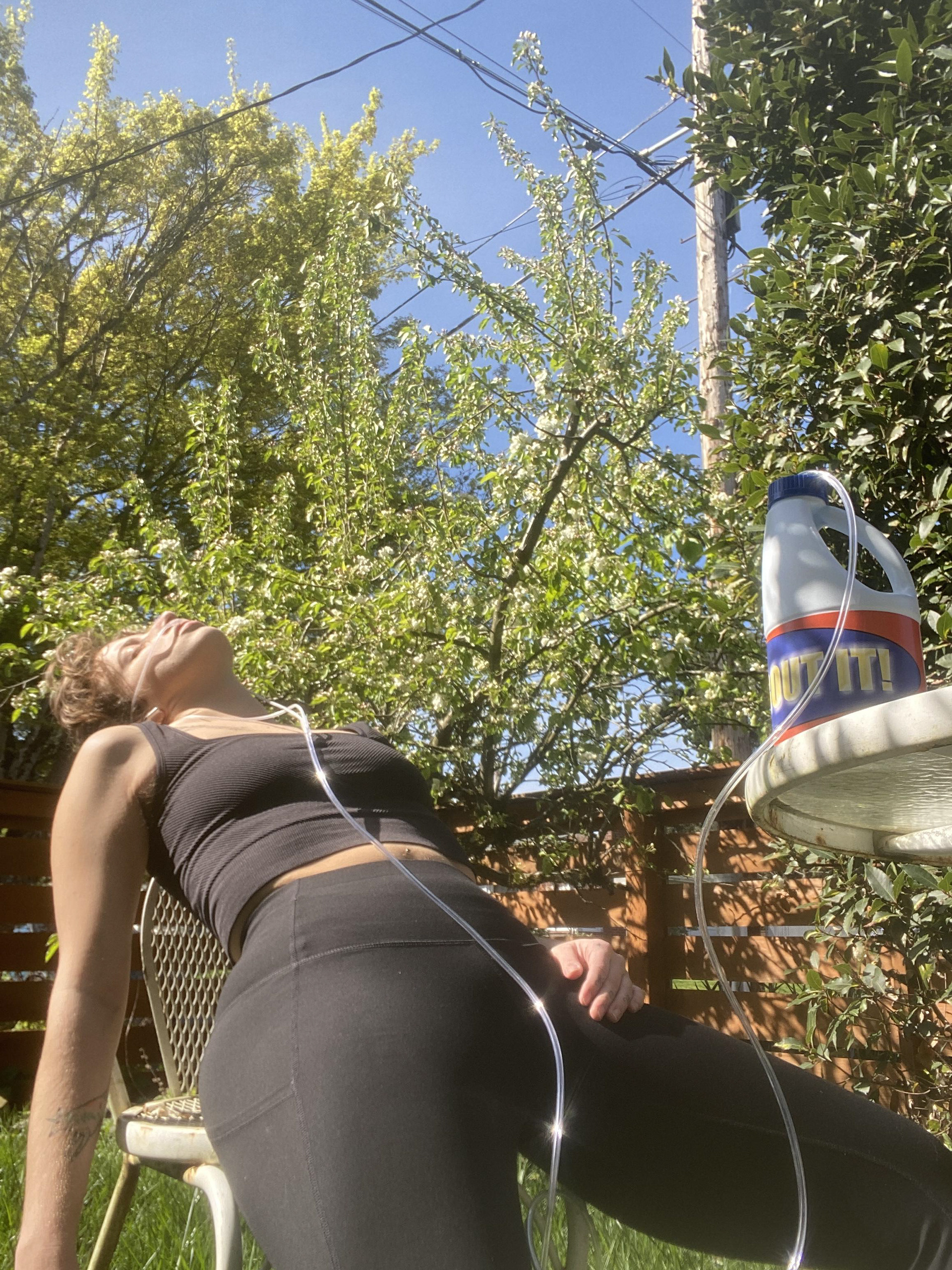
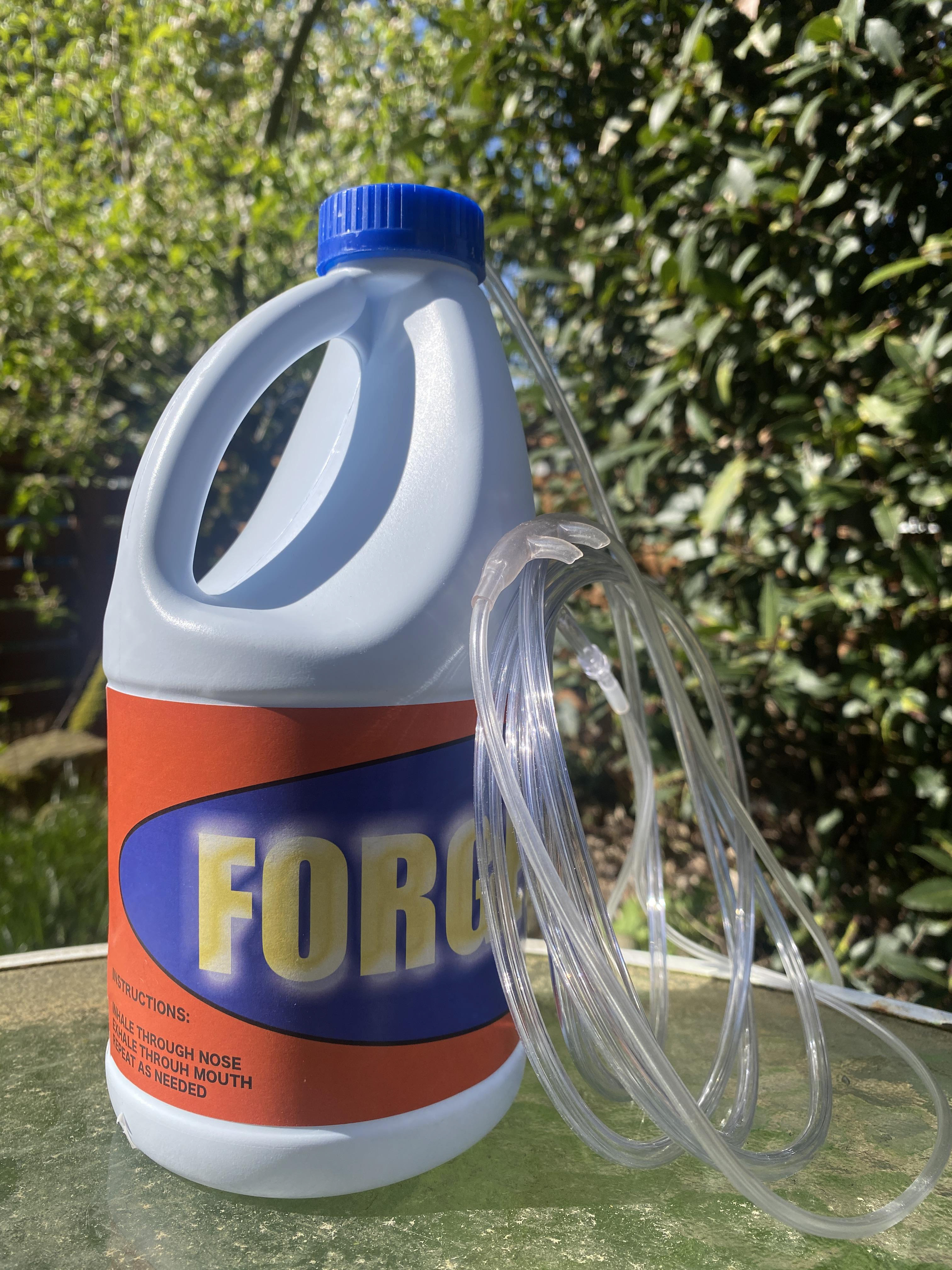
This object operates as a speculative artifact that reflects on how authority is granted through patient-provider power dynamics, prescription drugs, and trauma responses. Specifically, it explores the neuropsychological phenomenon of dissociative amnesia.
By altering the experience of involuntary memory loss into a user-controllable one, I imagine a future in which an individual has the agency to decide whether to forget or to remember an experience. This object can be carried around and used whenever the user wants to omit their present moment experience from memory. By using the nasal cannula, the user can breathe normally as a low-dose general anesthetic is nebulized and inhaled, producing memory loss effects.
By subverting chemical and clinical aesthetics through humor and absurdity, the work aims to bring awareness to how the medical system normalizes disbelief, compliance, and suffering, particularly in cases of chronic pain and/or invisible disabilities.